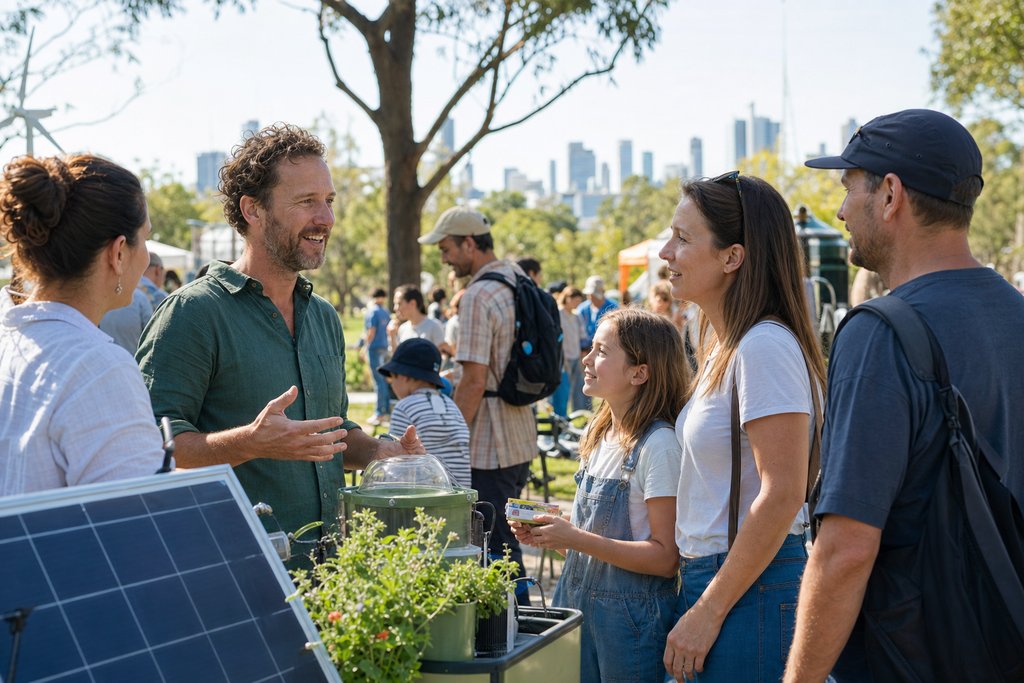
Australia hosts one of the most active sustainability event ecosystems in the Asia-Pacific region. From major multi-day festivals in capital cities to local council sustainability expos and grassroots community markets, the calendar of events dedicated to environmental education, green living, and ecological advocacy is extensive and growing.
Understanding the range of sustainability events available — and knowing how to find and engage with them — allows individuals, organisations, and businesses to connect with Australia's sustainability community in ways that match their interests and capacity.
Types of Sustainability Events in Australia
The sustainability event landscape in Australia encompasses several distinct formats, each serving different functions and audiences.
Large multi-day sustainability festivals
Major sustainability festivals — the largest format in the Australian event landscape — typically run across two to four days, feature hundreds of exhibitors, and attract audiences in the tens of thousands. These events offer the broadest range of programming: workshops, keynote speakers, panel discussions, live demonstrations, children's activities, and a curated marketplace. They require significant organisational infrastructure and are usually run by established non-profit or social enterprise organisations with dedicated event management capacity.
Victoria has historically hosted the most prominent events in this category, with Melbourne's density of environmentally engaged residents, strong community organisations, and established festival culture providing a supportive context. The city's sustainable living event calendar during summer and early autumn has contributed to national visibility for Australian sustainability discourse.
Trade expos and industry events
Sustainability trade expos occupy a different position in the events landscape, primarily targeting businesses, policy-makers, and professionals rather than general public audiences. Events in this category cover renewable energy installation, sustainable building and construction, waste management, circular economy, and clean technology. They often include a significant conference component alongside the exhibition floor, with content reflecting the commercial and regulatory dimensions of sustainability transition.
The Clean Energy Council, the Green Building Council of Australia, and various state government bodies host events in this category. For professionals working in sustainability-adjacent industries, trade expos provide important access to emerging technologies, procurement opportunities, and sector networking.
Community markets and local events
At the most accessible end of the spectrum, community-scale sustainability markets and local events bring green living into neighbourhood contexts. These events — often monthly or seasonal, held in parks, community halls, or local shopping precincts — feature local food producers, sustainable product sellers, and community organisations. Their informal character lowers the barrier to participation and creates the kind of repeat, relationship-building engagement that larger festivals cannot replicate.
Council sustainability programs in many local government areas now include regular events of this type, funded through environmental services budgets and often integrated with community education programs around waste, water, and energy.
Key Regions and Sustainability Communities
While sustainability events occur across all Australian states and territories, certain regions have developed particularly active sustainability event cultures. Victoria and New South Wales host the greatest volume of events by number, reflecting their population density and the concentration of environmental organisations in their capital cities. South Australia, with its strong renewable energy policy history, hosts events with a particular focus on energy transition. Queensland's tropical north has developed an event culture around sustainable agriculture, traditional ecological knowledge, and reef conservation.
Western Australia's distance from eastern state population centres means that Perth-based sustainability events tend to be self-sufficient in their programming, drawing on a strong local environmental community rather than interstate speakers and exhibitors. Tasmania's concentrated activist and farming communities support a well-attended annual sustainability events program relative to the state's population size.
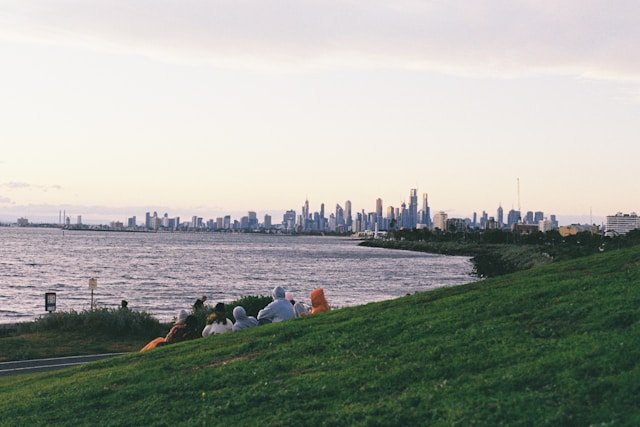
Melbourne's Sustainability Event Scene
Melbourne's sustainability event ecosystem is the most developed in Australia. The city's combination of a large environmentally engaged urban population, a strong community organisation sector, significant university research presence, and a well-established culture of public events has produced a sustainability calendar that runs throughout the year.
Beyond major festivals, Melbourne hosts regular sustainability-themed film screenings, public forums, skill-share workshops, and community garden events. The city's inner-suburb geography — with walkable neighbourhoods, high cycling infrastructure density, and strong public transport — means that sustainability events are accessible without private vehicle use, reinforcing the alignment between sustainable living and event participation.
Organisations such as Sustainability Victoria, Environment Victoria, and numerous local environmental groups maintain event listings and community communications that keep interested residents informed about upcoming opportunities. For those new to Melbourne's sustainability community, attending a public event hosted by one of these organisations provides an accessible entry point into a broader network.
How to Stay Informed About Upcoming Events
Finding sustainability events in Australia is increasingly straightforward, with multiple channels providing current information.
- Environmental organisation newsletters and social channels — major groups such as the Australian Conservation Foundation, Sustainability Victoria, and state-based environment councils maintain active event listings.
- Local government environmental programs — most local councils publish sustainability event calendars on their websites, covering everything from composting workshops to bulk-buy group-purchasing programs.
- Community event platforms — platforms such as Eventbrite, Humanitix, and Meetup host sustainability event listings alongside mainstream event categories.
- University sustainability offices — Australian universities frequently run public sustainability events, lectures, and community programs, many of which are open to non-students.
- Sustainable living festivals themselves — major events typically publish next-year dates and early registration information within weeks of the current year's event closing, allowing interested participants to plan in advance.
Getting Involved Beyond Attendance
For those seeking deeper engagement with Australia's sustainability community, event attendance is a starting point rather than an endpoint. Volunteering at festivals and community events creates direct relationships with organisers and sustained community members. Exhibiting or presenting positions organisations and businesses within a high-engagement audience context. Joining the organising committees or advisory structures of sustainability events provides insight into how the sector operates and where its challenges lie.
The connective tissue of Australia's sustainability event scene — the networks formed between events through shared organisations, collaborations, and community relationships — represents the sector's most durable asset. Understanding this ecosystem, rather than simply attending discrete events, allows deeper participation in the ongoing work of building sustainable communities across the country. Further context on what sustainable living festivals involve is available in the sustainable living festival overview, and practical guidance on eco living practices can be found in the eco living guide.
Frequently Asked Questions
What types of sustainability events take place in Australia?
Australian sustainability events span several formats: large multi-day festivals attracting tens of thousands of visitors, trade expos aimed at industry professionals covering renewable energy and circular economy topics, and community-scale markets and local gatherings that bring green living into neighbourhood contexts. Each format serves different audiences — from broad public education and lifestyle inspiration at festivals, to professional development and procurement at trade expos, to repeated community relationship-building at local events.
Which Australian cities have the most active sustainability event calendars?
Melbourne has the most developed sustainability event ecosystem in Australia, with events running year-round across festival, public forum, skill-share, and community market formats. Sydney and Brisbane host significant annual events, and South Australia's strong renewable energy policy history is reflected in a regionally distinctive program. Perth organises a self-sufficient calendar independent of eastern-state programs, drawing on a strong local environmental community. Tasmania supports a well-attended events program relative to its population, with a focus on sustainable agriculture and conservation.
How can I find sustainability events in my local area?
The most reliable sources include environmental organisation newsletters from groups such as the Australian Conservation Foundation and Sustainability Victoria, local government environmental program websites that typically publish sustainability event calendars, community platforms including Eventbrite, Humanitix, and Meetup, and university sustainability offices that frequently run public programs open to non-students. Major sustainability festivals also announce upcoming dates and early registration details shortly after each year's event closes, allowing advance planning.
What is the difference between a sustainability festival and a sustainability trade expo?
Sustainability festivals are designed for public audiences and prioritise community education, hands-on workshops, lifestyle inspiration, and community connection. They are usually organised by non-profit or social enterprise bodies with a public engagement mandate. Sustainability trade expos target businesses, policy-makers, and professionals, with programming covering commercial applications, industry standards, regulatory frameworks, and procurement. Organisations such as the Clean Energy Council and the Green Building Council of Australia host events in the trade expo category. Many people engage with both formats depending on their professional and personal interests.
How can organisations get involved with Australian sustainability events?
Organisations can engage as exhibitors, sponsors, speakers, workshop facilitators, or community partners. Exhibitor applications for major festivals typically open several months ahead and involve a review process assessing alignment with sustainability criteria. Smaller community events offer accessible participation pathways at lower cost and commitment levels. Volunteering or contributing to advisory and organising structures provides another form of involvement that supports the broader event ecosystem and builds sustained relationships within the sustainability community.
Are sustainability events in Australia accessible for families and first-time participants?
Many Australian sustainability festivals are designed for a broad public, including families and those new to sustainability topics. Children's programming, family-friendly activities, and free-entry models are common features at larger events. Community-scale markets and local sustainability gatherings offer an especially low-barrier entry point, with informal settings and typically no attendance cost. Volunteering provides an immersive way to engage with larger events without paying admission and is actively encouraged by most organising bodies, often coming with meals, entry, and access to programming.
