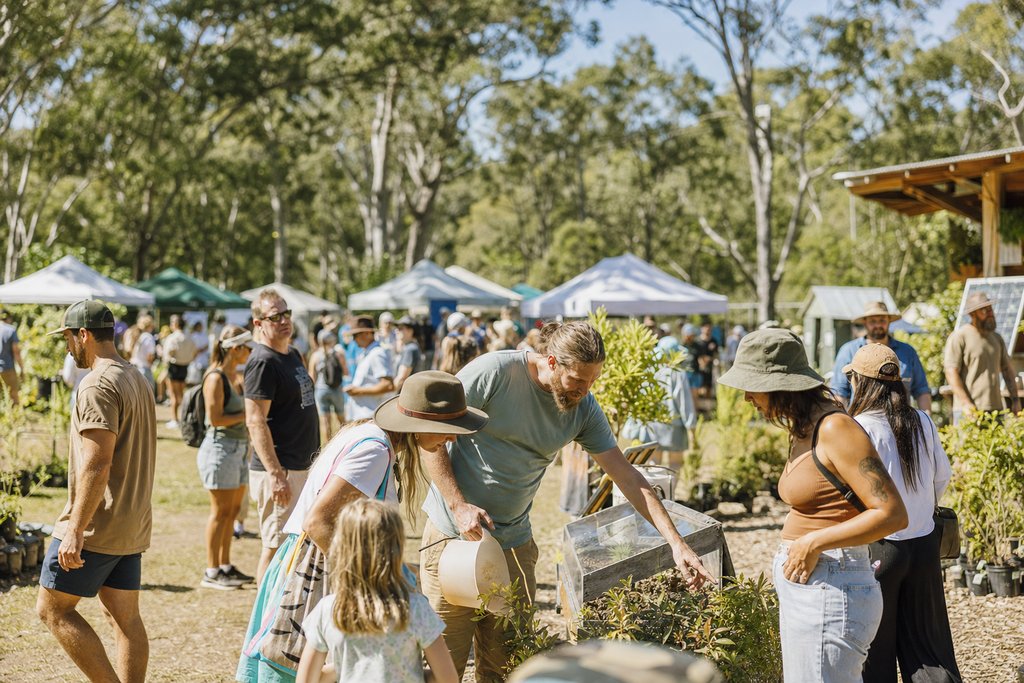
The sustainable living festival sector in Australia has evolved considerably over the past decade, emerging as one of the most visible platforms through which environmentally conscious communities gather, share knowledge, and celebrate the shift toward greener lifestyles. These events draw participants from urban centres and regional areas alike, creating spaces where practical demonstrations, community dialogue, and grassroots innovation converge.
For many attendees, a sustainable living festival represents more than a one-day outing — it serves as a catalyst for behavioural change, a marketplace for emerging green products, and a gathering point for networks that continue long after the event closes. Understanding what these festivals involve, how they operate, and what they deliver for Australian communities provides a useful lens through which to assess their growing significance.
What Is a Sustainable Living Festival?
A sustainable living festival is a public event organised around the themes of environmental responsibility, community resilience, and practical eco-friendly living. Unlike single-issue environmental rallies, these festivals typically span multiple subject areas — covering everything from household energy efficiency and zero-waste cooking to regenerative agriculture, sustainable fashion, and community-scale renewable energy projects.
In Australia, sustainable living festivals occupy a distinct place in the events calendar. They generally attract a cross-section of participants: families looking for accessible entry points into greener consumption habits, dedicated environmental advocates seeking community connection, businesses and social enterprises showcasing sustainable products and services, and researchers or educators presenting evidence-based approaches to sustainability challenges.
Core objectives of sustainable living festivals
Most sustainable living festivals in Australia articulate a set of common objectives, even when their programming and scope differ. These typically include:
- Making sustainable choices visible, accessible, and appealing to broad audiences
- Providing hands-on demonstrations that move sustainability from theory to practice
- Creating platforms for local and national organisations to connect with engaged communities
- Inspiring participants to take specific, measurable actions in their own lives
- Celebrating innovation across sectors including food, energy, transport, and waste
Who typically attends
Attendance at Australia's sustainable living festivals tends to skew toward environmentally engaged demographics, though many events deliberately design programming to attract first-timers and families with children. Melbourne-based events in particular have drawn significant numbers of younger urban professionals alongside established environmental advocates. School holiday scheduling for some events has made attendance easier for families, broadening the participant base beyond the traditionally committed eco-community.
Programs and Activities at Sustainable Living Events
The programming at a sustainable living festival typically covers several distinct areas, often running concurrently across multiple stages and demonstration zones. Understanding the range of activities helps explain why these events have sustained audience interest over successive years.
Workshops and hands-on demonstrations
Workshops form the backbone of most sustainable living festivals. Topics commonly offered include composting and worm farming, home energy auditing, water-saving garden design, natural building techniques, ethical fashion construction, plant-based cooking, and solar installation basics. The hands-on format — participants engaging with materials and processes rather than simply listening to talks — is consistently cited as a driver of post-event behaviour change.
Demonstrations of emerging technologies attract strong interest. Electric vehicles, small-scale wind and solar installations, biochar production, and circular-economy product design tend to draw crowd attention, particularly where participants can speak directly with the people behind the technology.
Speakers, panels and public forums
The speaker program at larger sustainable living festivals typically spans science communication, policy analysis, community organising, and lived experience. Scientists from universities and research institutes present findings on climate change, biodiversity, soil health, and urban sustainability. Policy advocates discuss regulatory frameworks and what individuals and communities can do to advance systemic change. Indigenous knowledge holders increasingly present perspectives on land management and relational ecological thinking. These combinations create a rich, if sometimes challenging, intellectual environment for festival-goers.
Panel discussions on topics such as ethical investment, the future of Australian agriculture, city planning for climate resilience, and the social dimensions of energy transition attract engaged audiences and frequently generate discussion that extends well beyond the scheduled session time.
Exhibitors and the sustainable marketplace
Exhibitor zones at sustainable living festivals typically include social enterprises, small-batch producers, environmental non-profits, community organisations, and government agencies. The marketplace serves multiple functions: it provides revenue for organisers, gives smaller sustainable businesses high-quality exposure, and allows attendees to connect face-to-face with the organisations and products they may have encountered only online.
Products showcased span a wide range: zero-waste household goods, organic and biodynamic food, ethical clothing, energy monitoring tools, sustainable gardening equipment, and natural personal care products. The editorial curation of exhibitors — most events operate application and selection processes — contributes to the overall credibility of the marketplace.
Community Impact and the Case for Sustainable Living Festivals
The community impact of sustainable living festivals operates across several dimensions simultaneously. In the immediate term, events generate local economic activity, provide visibility for community organisations, and draw media attention that amplifies sustainability messages beyond the festival audience. Over the longer term, their impact is harder to measure but arguably more significant.
Building local and cross-sector networks
Perhaps the least visible but most durable impact of sustainable living festivals is the networks they catalyse. Attendees encounter organisations and individuals working on aligned challenges, often making connections that lead to collaborations, volunteer commitments, or business relationships. The convening function — bringing people into the same physical space at the same time — remains something events can do that digital platforms replicate only partially.
For community groups working on local sustainability initiatives, a major festival presence can mean access to thousands of engaged potential supporters in a single weekend. For researchers, the festival floor offers a direct feedback loop with public audiences that is difficult to replicate through conventional academic channels.
Inspiring measurable behaviour change
Post-event surveys conducted by several Australian sustainability festivals have tracked participant intentions and, in some cases, follow-up behaviours. Results consistently show that hands-on workshop participation correlates more strongly with subsequent behaviour change than passive attendance at talks or exhibitions. Participants who installed a worm farm, tried a plant-based cooking technique, or learned to read a home energy bill in a workshop context reported higher rates of subsequent action than those who attended lectures covering the same content.
This finding aligns with behaviour change research suggesting that direct experience, social proof, and community context are more powerful drivers of action than information alone — which has informed the design philosophy of the most effective Australian sustainable living events.
How to Find and Attend Sustainable Living Events Near You
Australia's sustainable living event calendar extends well beyond a single flagship festival. Smaller regional events, community markets with sustainability themes, and local council-run eco expos run throughout the year across all states and territories. Online event listings maintained by environmental organisations, state government sustainability programs, and community networks provide the most current calendars.
Volunteering is a common pathway to deeper festival engagement. Most events rely on significant volunteer contributions and actively recruit participants who want to contribute beyond simply attending. Volunteering typically provides free or discounted entry and direct access to organisers and other engaged community members. For organisations or businesses aligned with the festival's theme, exhibitor and sponsorship applications are usually open well in advance of event dates.
Frequently Asked Questions
What is a sustainable living festival?
A sustainable living festival is a public event centred on environmental responsibility, eco-friendly lifestyle practices, and community sustainability. These events typically feature workshops, demonstrations, exhibitors, and speakers across topics including energy, food, waste, transport, and community resilience. In Australia, sustainable living festivals range from large multi-day events attracting tens of thousands of visitors to smaller regional expos focusing on local sustainability challenges.
How often do sustainable living festivals occur in Australia?
Sustainable living festivals and related events occur throughout the year in Australia. Major events have historically been scheduled in late summer and early autumn when weather conditions are suitable for outdoor programming. Smaller regional events, community markets with sustainability themes, and council-run eco expos fill the calendar across all seasons. Most capital cities host at least one significant annual sustainability event alongside a wider ecosystem of smaller gatherings.
Who organises sustainable living festivals in Australia?
Sustainable living festivals in Australia are organised by a range of entities including environmental non-profits, community organisations, local government bodies, and social enterprises. Some events are operated by dedicated organisations whose primary mission is sustainability education and community engagement. Others emerge from broader community festival structures that incorporate sustainability as a core theme. Sponsorship from ethical businesses, grants from state and federal sustainability programs, and exhibitor fees collectively fund most events.
What can visitors expect at a sustainable living festival?
Visitors to a sustainable living festival can expect a mix of hands-on workshops, live demonstrations, speaker sessions, and an exhibitor marketplace. Workshops are typically participatory — attendees learn by doing, covering topics from composting and natural building to solar installation and plant-based cooking. The exhibitor zone offers access to sustainable products, community organisations, and social enterprises. Children's programming, family-friendly activities, and food and beverage options focused on organic and local produce are common at larger events.
Are sustainable living festivals free to attend?
Entry policies vary across Australian sustainable living events. Some major festivals charge a modest admission fee that contributes to covering operational costs. Others operate on a free-entry model funded through exhibitor fees and sponsorship. Specific workshops and experiences within a free-entry event may carry individual booking fees. Volunteering is a common way to participate without paying admission, and many events offer reduced-cost or free tickets to community groups, concession card holders, and young people.
How do sustainable living festivals benefit local communities?
Sustainable living festivals benefit local communities in several ways. They generate direct economic activity through attendance, food, and exhibitor purchases. They create visibility for local environmental organisations, social enterprises, and sustainable businesses that may have limited marketing budgets. They convene networks that produce ongoing collaborations and volunteer commitments. Post-event behaviour change data from several Australian events indicates measurable increases in actions such as composting, reducing single-use plastics, and accessing renewable energy options in the months following attendance.
What types of exhibitors typically participate in sustainable living festivals?
Exhibitors at sustainable living festivals typically include environmental non-profits and advocacy organisations, social enterprises, ethical product businesses, organic and biodynamic food producers, renewable energy providers, sustainable fashion brands, community gardens and food cooperatives, local government sustainability programs, research institutions, and community services. The curated nature of most exhibitor programs — with applications reviewed against sustainability criteria — distinguishes the festival marketplace from general trade shows.
Can individuals volunteer at sustainable living festivals?
Volunteering at sustainable living festivals is actively encouraged by most events and represents a significant pathway to deeper engagement. Volunteer roles typically include event setup and pack-down, gate and ticketing operations, information and wayfinding support, workshop facilitation assistance, and exhibitor coordination. Most events provide volunteers with meals, free or discounted entry passes, and access to some programming. Volunteer applications usually open several months before the event and are listed on official event websites and community volunteer platforms.
What is the National Sustainable Living Festival?
The National Sustainable Living Festival (SLF) was an annual sustainability event held in Melbourne, Australia, organised by the Sustainable Living Foundation. It operated as one of Australia's largest sustainability festivals, featuring hundreds of exhibitors, workshops, and keynote speakers across multiple days. The festival provided a platform for environmental education, community networking, and access to sustainable products and services, attracting audiences from across Victoria and interstate. SLF events were typically scheduled in late summer, aligned with Melbourne's summer festival period.
How can businesses participate in sustainable living festivals?
Businesses aligned with sustainability themes can participate in Australian living festivals as exhibitors, workshop presenters, sponsors, or media partners. Exhibitor applications typically require demonstrating alignment with the event's sustainability criteria — product ethics, environmental credentials, and community orientation. Sponsorship packages at larger events offer brand visibility, audience engagement opportunities, and alignment with high-profile sustainability communication. Smaller businesses often find that exhibiting at regional events provides a more cost-effective and community-oriented pathway to engaged audiences than major city events.
